Youth Substance Use Prevention

Youth substance use prevention is a proactive, evidence-based approach focused on reducing risk factors, strengthening protective factors, and promoting healthy development. By using data-driven strategies and community collaboration, prevention efforts help create environments where young people can thrive.

Prevention Is the First Step

Understanding the Continuum of Care

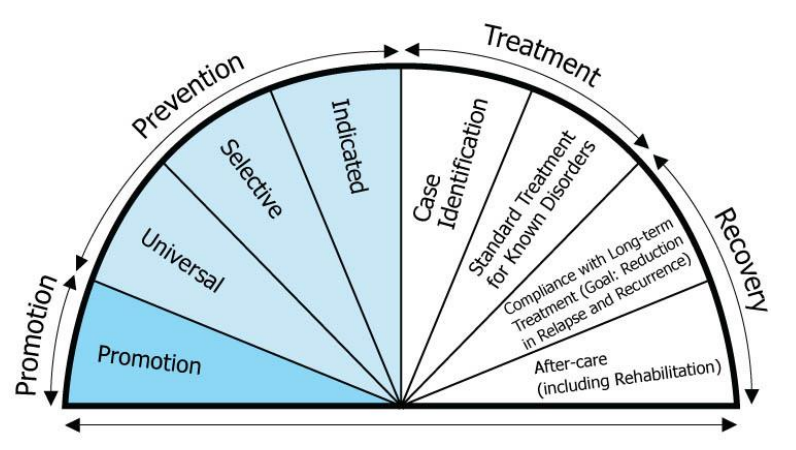
Substance use prevention is part of a broader continuum of care that includes prevention, treatment, and recovery. Prevention focuses on stopping substance use before it begins by strengthening protective factors and reducing risk factors across the community.

Prevention sits at the earliest point on the continuum, addressing risk before substance misuse develops and reducing the need for more intensive interventions later.

A Structured, Data-Driven Approach

Strategic Prevention Framework

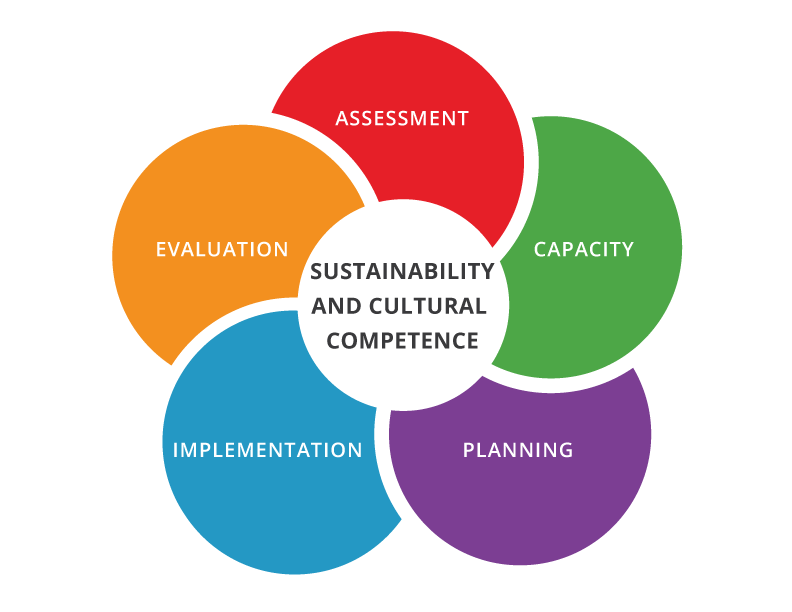
The Strategic Prevention Framework (SPF) is a public health planning model that guides prevention efforts through five key steps:

  • Assessment
  • Capacity Building
  • Planning
  • Implementation
  • Evaluation


This framework ensures prevention efforts are intentional, evidence-based, and measurable. Raleigh County United for Prevention uses this structured approach to guide local strategies and community collaboration.

What Influences Youth Behavior?

Youth substance use is influenced by a combination of risk and protective factors.

Risk factors increase the likelihood of substance use and may include:

  • Favorable attitudes toward substance use
  • Low perception of harm
  • Peer substance use
  • Family conflict
  • Easy access to substances

Protective factors reduce the likelihood of substance use and may include:

  • Strong parental involvement
  • Clear community norms
  • Positive peer relationships
  • School connectedness
  • Access to supportive programs

Prevention efforts focus on reducing risk factors while strengthening protective factors across families, schools, and communities.

Seven Strategies of Community-Level Change

Effective prevention includes multiple strategies working together. These include:

  1. Providing information
  2. Enhancing skills
  3. Providing support for prevention activities
  4. Enhancing access and reducing barriers to resources
  5. Changing consequences
  6. Changing physical design and environmental conditions
  7. Policy change


By combining education, environmental strategies, and policy efforts, communities create lasting and sustainable impact.

Prevention Is a Community Effort

Youth substance use prevention works best when families, schools, healthcare providers, local government, and community organizations collaborate. Through shared responsibility and evidence-based planning, communities can create safer, healthier environments for youth.